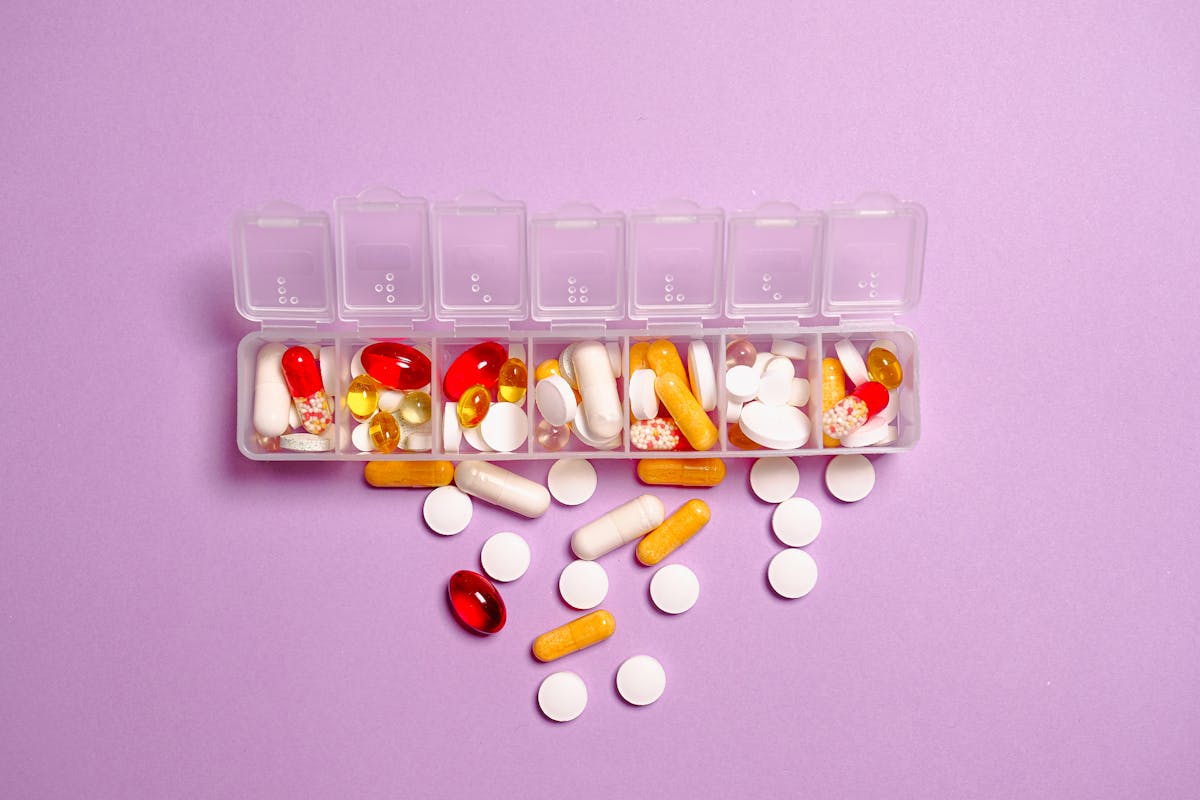
The FDA's approval of orforglipron marks a genuinely historic moment in obesity medicine. For the first time, patients have an oral GLP-1 option for weight management. But the conversation surrounding this approval has been oddly dismissive, focused almost entirely on what the drug cannot do rather than what it makes possible.
Yes, orforglipron's average weight loss of 7–8% is substantially less than the 15–20% achieved by injectable semaglutide and tirzepatide. In a head-to-head comparison, it is clearly the less potent medication. But potency in a clinical trial and impact on population health are fundamentally different metrics, and it is time we started treating them that way.
The Accessibility Gap
Consider the current landscape. Injectable GLP-1 medications require cold-chain shipping, refrigerated storage, self-injection technique, and—for many patients—a psychological barrier that should not be underestimated. Needle phobia affects an estimated 20–25% of adults. Add the cost barriers, supply constraints, and the clinical infrastructure required for proper monitoring, and the reality becomes clear: injectable GLP-1 therapy, however effective, is reaching only a fraction of the population that could benefit.
An oral medication changes everything. No needles. No refrigeration. No special shipping. A pill that a primary care physician can prescribe with the same ease as a statin or an antihypertensive. This is not a minor logistical improvement. It is a fundamental shift in who can access GLP-1 therapy.
The Math of Population Health
Here is the calculation that matters: 20% weight loss for 5 million patients, or 7% weight loss for 40 million patients? From a population health perspective, the answer is not close. A 7% weight loss reduces the risk of developing type 2 diabetes by 58%, according to landmark Diabetes Prevention Program data. It meaningfully reduces blood pressure, improves lipid profiles, and decreases inflammatory markers.
Multiply those modest but clinically meaningful improvements across tens of millions of patients, and the aggregate health impact dwarfs what injectable medications can achieve at their current scale of adoption.
The False Choice
This is not an either/or proposition. The ideal GLP-1 ecosystem includes both oral and injectable options, matched to individual patient needs, preferences, and clinical profiles. Patients who need 15–20% weight loss for bariatric surgery avoidance or cardiovascular risk reduction should have access to injectable tirzepatide. Patients who need 5–10% weight loss for metabolic health improvement should have access to oral orforglipron.
But the medical community's instinct to rank medications solely by maximum efficacy misses the point. The best medication is the one the patient will actually take, consistently, for the years required to maintain benefit. For millions of patients, that medication is a pill.
Rethinking Success
Population health is not optimized by maximizing individual outcomes. It is optimized by maximizing the product of individual benefit and population reach. Oral GLP-1 therapy may deliver more modest results per patient, but its potential reach is transformative.
The approval of orforglipron should not be graded on the curve set by injectable medications. It should be celebrated for what it is: the moment GLP-1 therapy became accessible to the masses. In population health, convenience is not a compromise. It is the strategy.